



Buy Mattress Protectors and Toppers
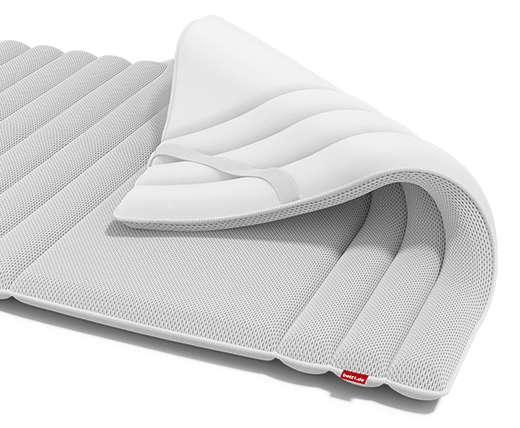
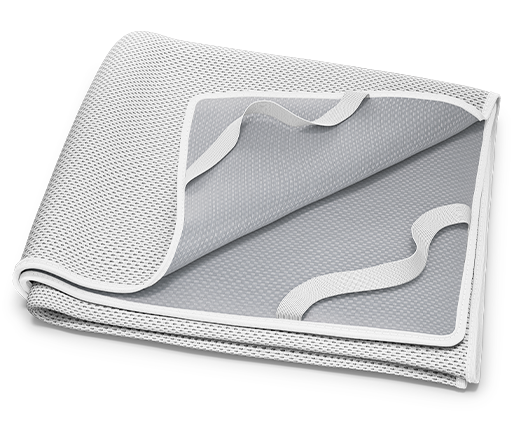
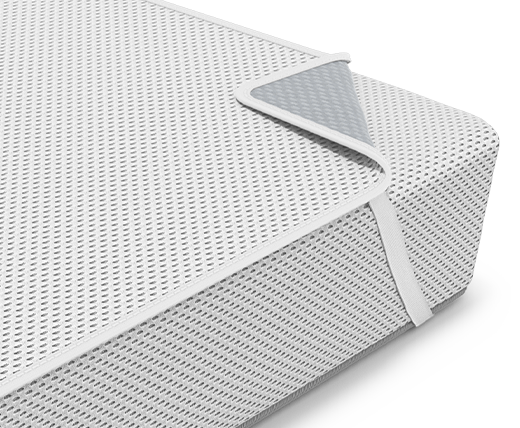
Mattress Cover or Topper: What Do I Actually Need?
At a Glance: Should You Buy a Topper, Mattress Protector or Incontincence Cover?
- “I want a softer sleeping surface” ➝ Topper
- “I want a firmer sleeping surface” ➝ Firmer mattress
- “I want to protect my mattress from dirt and wear” ➝ Mattress protector
- “I want to protect my mattress from urine and other liquids” ➝ Incontincence cover
What Is a Mattress Cover?
A mattress cover is the general term for anything you place on top of your mattress, regardless of its purpose. This includes toppers, mattress protectors and special protective covers.
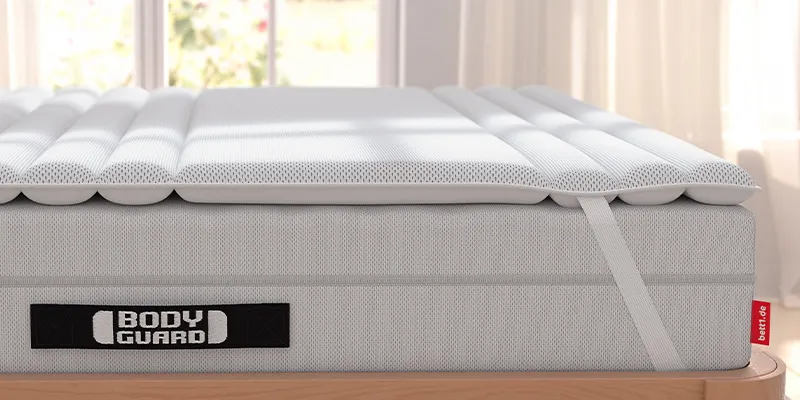
What Is a Topper?
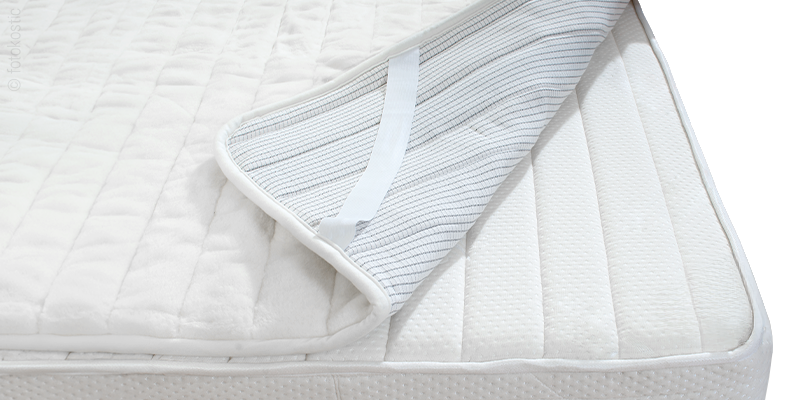
A mattress topper is a mattress pad designed to make your sleeping surface softer and more comfortable. A topper is usually 4–8 cm thick and raises your sleeping position slightly. Common materials include cold foam, gel foam and latex.
What Is a Mattress Protector?
Mattress protectors are thin covers designed to shield your mattress from dirt and reduce wear and tear. Budget models often contain a plastic layer that can affect the feel of the mattress and create rustling noises when you move, potentially disturbing your sleep.
What Is a Protective Cover?
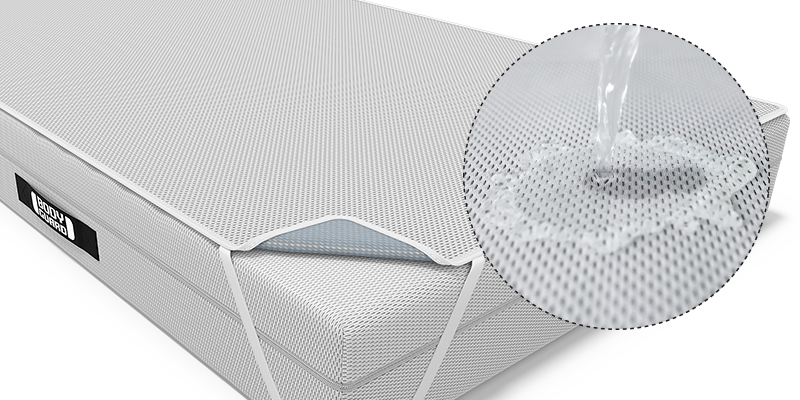
In addition to standard mattress protectors, there are protective covers designed for specific purposes. These include the BODYGUARD® Kids Mattress Protector and the BODYGUARD® Incontinence Cover. They protect the mattress from urine, blood, spilled liquids and other types of soiling caused by children or pets.
Our Mattress Toppers at a Glance
| BODYGUARD® Topper |
BODYGUARD® Incontinence Cover |
BODYGUARD® Kids Mattress Protector |
|
| Purpose | for a softer and higher sleeping position | protects the mattress from all kinds of liquids | protects children's mattresses from all kinds of liquids |
| Material | cold foam | polyurethane and polyester | polyurethane and polyester |
| Cover | HyBreeze® and BaumwollSleep® | HyBreeze® with waterproof barrier layer | HyBreeze® with waterproof barrier layer |
| Sizes (in cm) |
80x190, 90x190, 80x200, 90x200, 100x200, 120x200, 140x200, 160x200, 180x200, 200x200 | 80x190, 90x190, 80x200, 90x200, 100x200, 120x200, 130x200, 140x200, 150x200, 160x200, 180x200, 200x200 | 60x120, 70x140, 80x160 |
| Highlights |
|
|
|
| Price | from 109.00 € | from 39.90 € | from 29.90 € |
Buying a Topper: What You Should Look Out For
- Right size: The topper should match the dimensions of your mattress. If you are unsure, it is best to measure your mattress first.
- Corner straps: These help keep the topper securely in place and prevent it from slipping.
- Breathable materials: Ensure that moisture is absorbed effectively and released quickly.
- Adaptability: The topper should complement your mattress and enhance its comfort properties in a meaningful way.
- Correct height: A height of 4–8 cm is ideal. A topper that is too thick can interfere with the ergonomic properties of your mattress.
The BODYGUARD® Topper is the perfect companion for your BODYGUARD® mattress and can also be used with any standard mattress.
Buying a Mattress Topper: What Is It Good For?
What Can a Topper Do?
- Improve comfort: A topper can make a mattress that feels too firm softer and create a more comfortable overall sleeping experience. Depending on the material used (such as cold foam, memory foam or latex), a topper will adapt to your body to varying degrees.
- Pressure relief: A topper can help relieve pressure, especially around the shoulders and hips.
- Protect the mattress: A topper acts as an additional layer that helps protect the mattress from sweat and dirt, although this is not its primary purpose.
- Improve comfort in double beds: If you use two separate mattresses, a full-width topper can help bridge the gap between them.
What Can’t a Topper Do?
In general, it is important to understand that a topper is designed to provide additional comfort and support — it cannot work miracles. Your mattress remains the key factor for proper sleeping comfort. If your mattress has any of the following issues, even the best topper will not be able to compensate for them. In these cases, you should consider replacing your mattress:
- Your mattress is too soft to begin with.
- Your mattress shows significant signs of wear.
- Your mattress has already developed visible sagging or body impressions.
As a general rule, you should replace your mattress after ten years at the latest, if only for hygiene reasons.
Buying a Topper: Choosing the Right Size
As a general rule, your topper should be the same size as your mattress. There is one exception for double beds with two separate mattresses: in this case, the topper should cover both mattresses to eliminate the gap between them.
Popular Sizes: Affordable Toppers in 140x200 and More
You can buy affordable toppers at bett1.de. We offer toppers in ten different sizes, ideally suited to the most common mattress sizes:
| Topper Size | Suited For |
|---|---|
| Topper 80x190 cm | space-saving single beds in guest rooms or caravans |
| Topper 90x190 cm | shorter antique bed frames or space-saving sleeping solutions |
| Topper 80x200 cm | narrow single beds |
| Topper 90x200 cm | the classic choice for a standard single bed |
| Topper 100x200 cm | the slightly wider single |
| Topper 120x200 cm | extra-wide single beds |
| Topper 140x200 cm | the French bed, whether sleeping alone or as a couple |
| Topper 160x200 cm | medium-sized double beds and bridging the gap between two 80x200 cm mattresses |
| Topper 180x200 cm | large double beds, or for connecting two 90x200 cm mattresses |
| Topper 200x200cm | sehr große Doppelbetten; um zwei Matratzen 100x200 cm zum King-Size-Bett zu verbinden |
Kids Mattress Protector
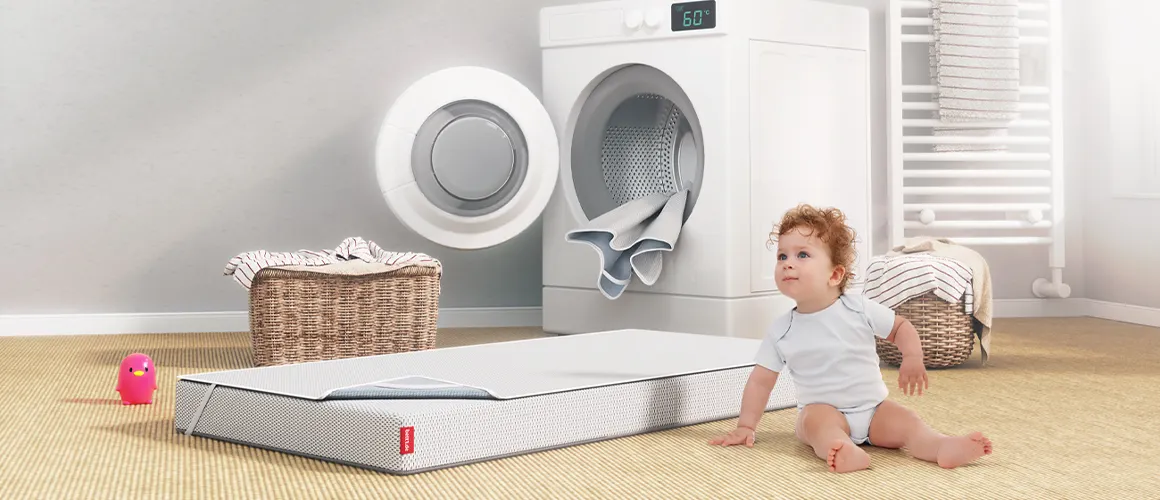
Moisture protection for children's mattresses must meet numerous requirements. The main function is to provide a waterproof barrier layer.
Please note: A wetness protector should be truly waterproof and not just water-resistant or water-repellent.
- Water-resistant - low protection level: tightly woven fabric through which spray water, such as rain, penetrates somewhat more slowly than through conventional fabrics
- Water-repellent - medium protection level: impregnated fabrics that water does not penetrate so quickly and strongly
- Waterproof - high protection level: Waterproofness means that the material can withstand a larger amount of water exerting pressure against the protective barrier over a longer period of time
It is an advantage if the material of the wetness protection layer is also absorbent and breathable so that baby's delicate skin stays dry - no matter how the night goes. With fastening straps, the mattress topper stays where you need it.
Incontinence Cover
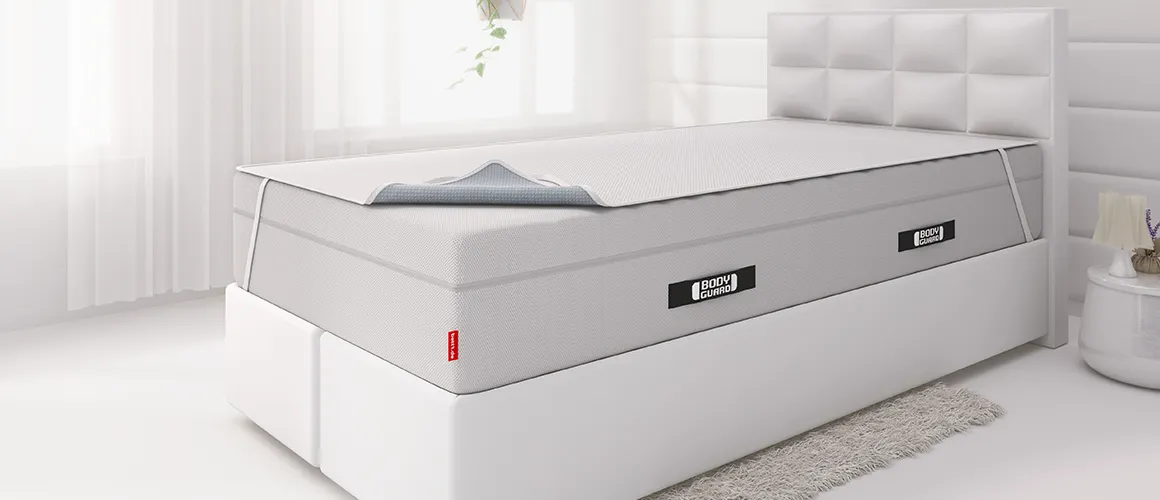
Incontinence is a topic that is often associated with embarrassment. However, urinary incontinence is a very common condition. Sometimes it occurs only temporarily, for example due to cycle-related changes in connective tissue. In other cases, it may progressively worsen, such as with dementia. A good incontinence pad protects your mattress from urine and other liquids. When buying one, pay attention to the following features:
- Waterproof barrier layer: prevents moisture from penetrating the mattress
- Absorbent material: helps protect the skin from prolonged dampness
- Breathable material: improves the drying performance of the mattress pad
- Corner straps: prevent the incontinence pad from slipping
- Washability: ideally washable at a hygienic 60 °C
- Correct size: avoid using pads that are too small or too large. Measure your mattress beforehand.
Please note: In cases of severe or daily incontinence, a waterproof and wipe-clean encasement cover is recommended instead of an absorbent incontinence cover.
A good mattress does not need a mattress topper. A topper can make the mattress feel softer if you want extra softness. Like the mattress, the topper should be made of high-quality materials and match the size of the mattress. Ideally, the topper should have straps that you can use to secure it to the mattress.
The height is not decisive for the quality of a topper – it is the material that counts. Toppers with a height of 4 to 6 cm are common, but for greater comfort, they can also be up to 10 cm thick.
As is so often the case, there is no upper limit. But you don't have to dig too deep into your pockets. Good mattress toppers that make your sleep extra soft are available from as little as approx. 100 €. However, a good mattress topper cannot improve a poor-quality mattress.
Yes. A topper can only make the lying sensation softer; it does not improve the lying properties of the mattress. The BODYGUARD® topper has ergonomic modules for the head, neck, shoulders and pelvis.
A mattress topper can make the mattress feel warmer because it acts as an additional layer of insulation. How much warmer depends largely on the material the topper is made of. Visco toppers store body heat and make the mattress feel significantly warmer, while open-cell cold foam tends to keep the temperature more balanced thanks to its better air circulation.


