



Bedding: The Heart of our Bedroom
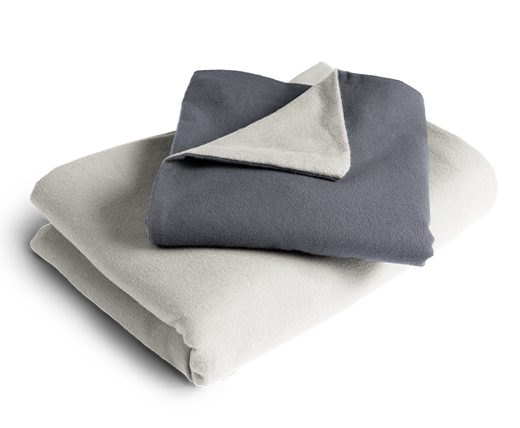
‘Bedding’ is a term we rarely come across in everyday language. Yet we use products of this kind every day. Bedding refers to all the items placed on top of and underneath your bed that make it comfortable and cosy. Your duvet, for example, is a type of top layer. Pillows and mattresses are typical bottom layers. A bedspread is also considered part of your bedding, although you probably don’t use it for sleeping; instead, it often adorns the bed as a throw.

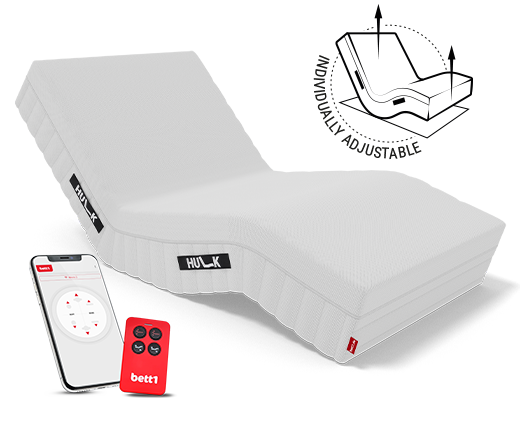

The Bedding on Which Everything Rests: Mattresses
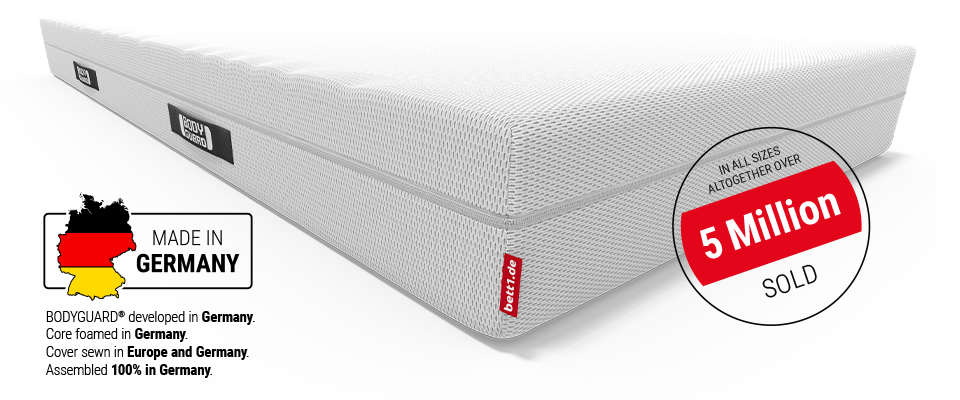
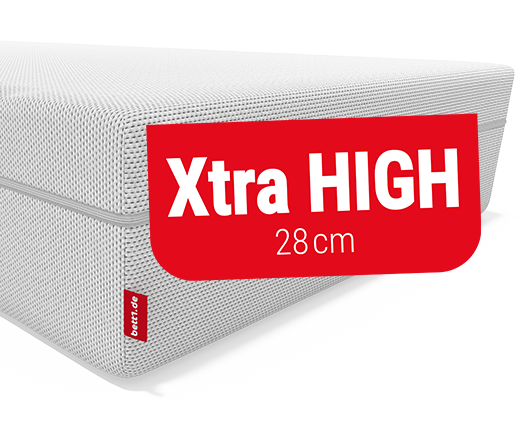
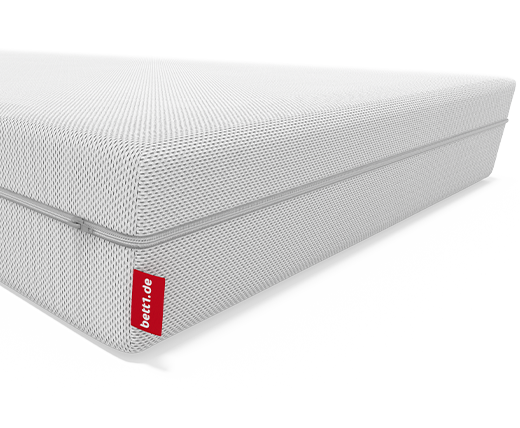
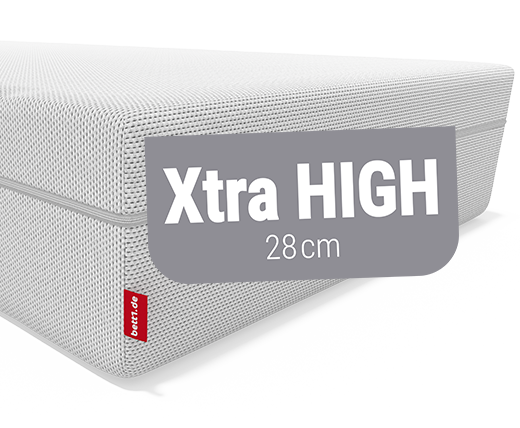
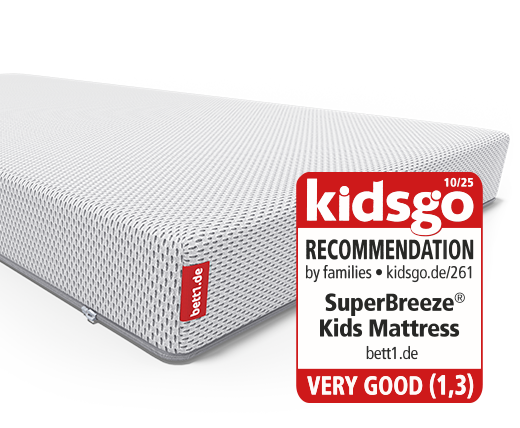
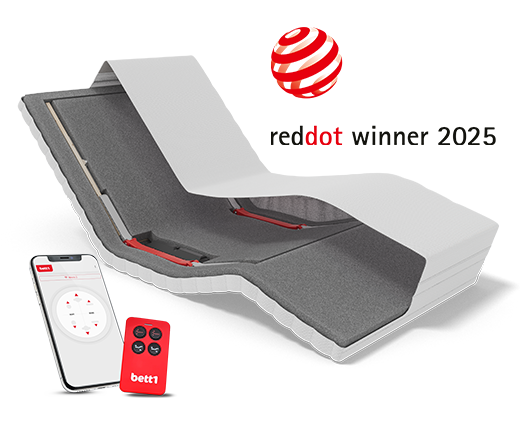
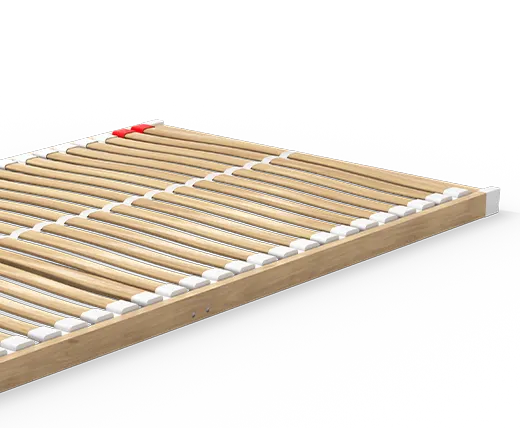
Mattresses are the bedding that actually makes your bed a bed. The main function of a mattress is to support your body in such a way that you wake up feeling refreshed and rested in the morning. Mattress sizes are standardised, so you can easily buy matching bed frames, slatted bases or fitted sheets to go with them. The mattress itself consists of two main components: the mattress core and the mattress cover. Translated with DeepL.com (free version)
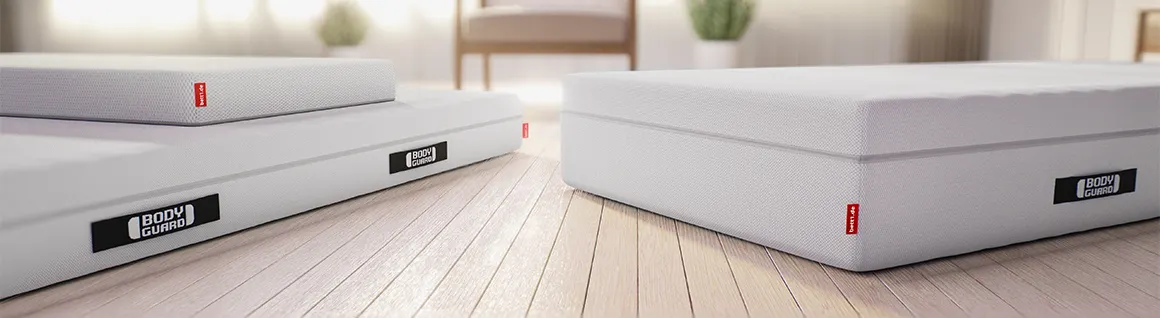
The Mattress Core:
There are different types of mattresses, depending on what the core is made of or which materials it contains.
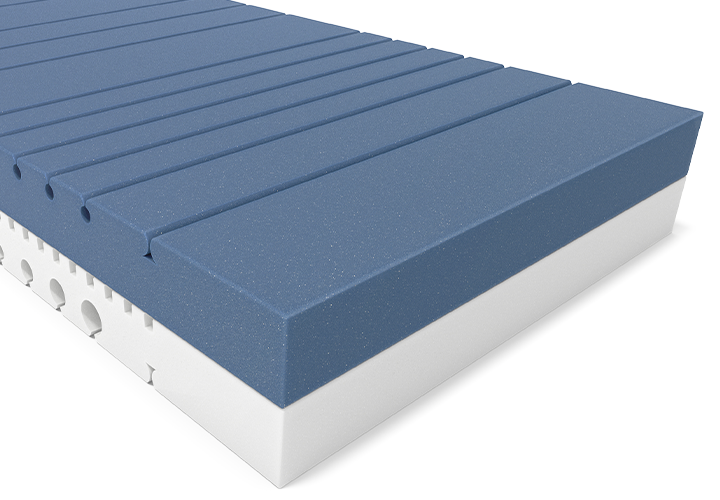
- Cold foam mattress
- Latex mattress
- Gel foam mattress
- Memory foam mattress
- Bell-shaped spring core mattress
- Pocket spring mattress
- Barrel-shaped pocket spring mattress
- Air mattress
- Waterbed
Depending on which material you choose, your mattress may have different core properties. For example, you will feel cooler on a spring mattress than on a cold foam mattress. A latex mattress is naturally much firmer, whereas cold foam can be used to produce precisely different degrees of firmness.
The Mattress Cover:
The mattress cover envelops the core and should enhance its properties. The more flexible the material, the better it adapts to your body as it sinks into the core. The cover should allow your skin to breathe and quickly absorb and evaporate sweat. To ensure it remains durable and hygienic, make sure you can remove and wash the mattress cover – ideally at 60°C.
Duvet: The Top Layer of Bedding
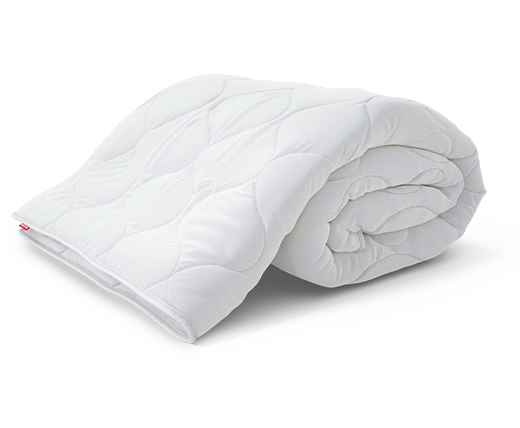
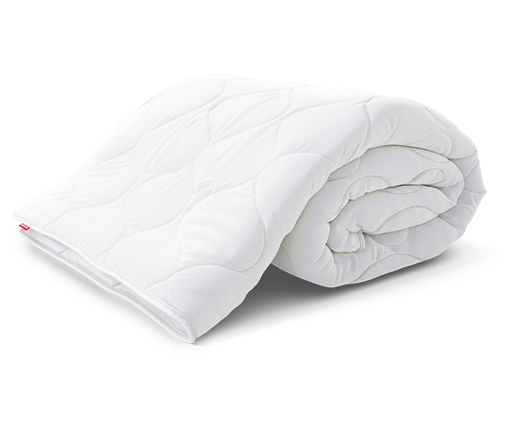
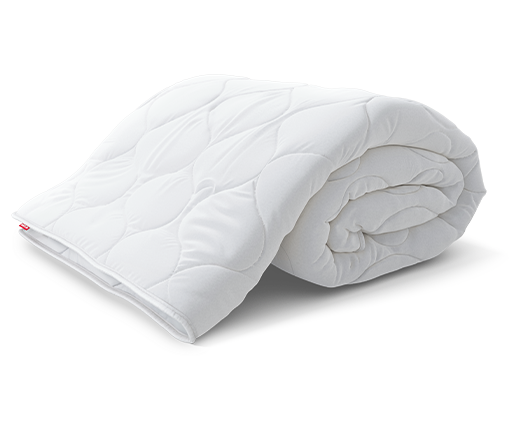
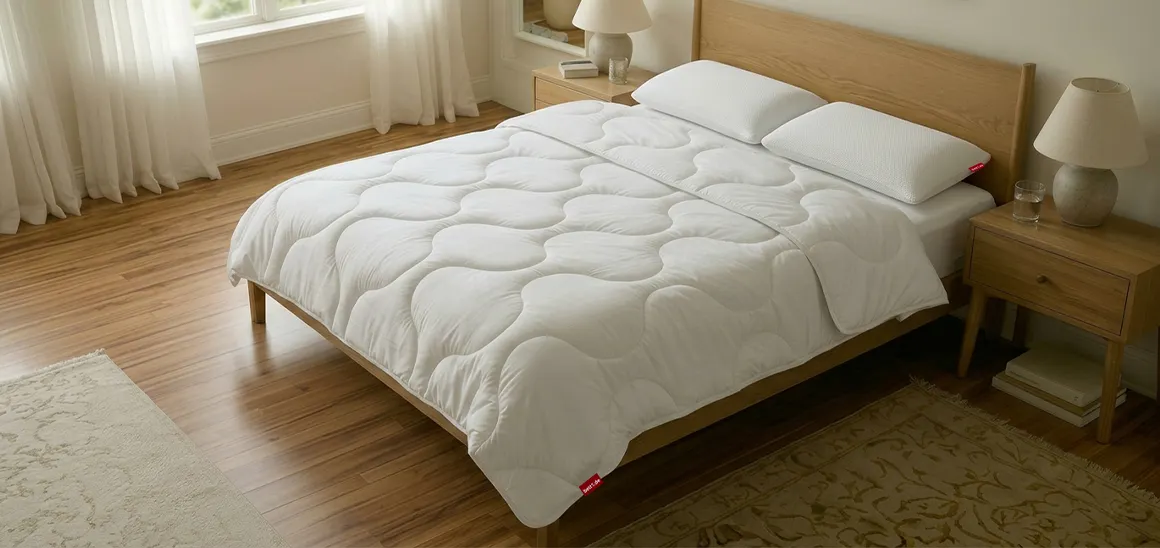
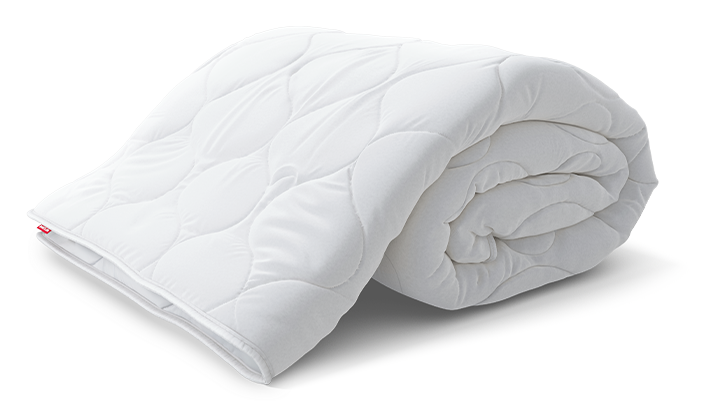
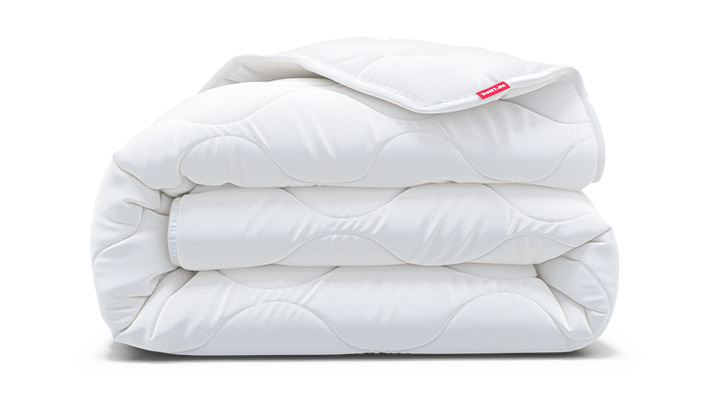
It is not known who came up with the brilliant idea of inventing the duvet. The duvet serves the same purpose today as it did back then: a duvet protects us from getting too cold. This is because, regardless of the outside temperature, your body temperature drops whilst you sleep. Over time, the shape and materials of all bedding, including the duvet, have changed time and again.
What Sizes of Duvets are Available?
Duvets are now available in a range of sizes. These sizes have standard dimensions, making it easy for you to find bed linen in the right size:
| Duvet-Sice | For whom |
|---|---|
| Duvet 135×200 cm | Single Duvet |
| Duvet 155×220 cm | Single Duvet for persons over 1,80 cm |
| Duvet 200×200 cm | Double Duvet for two persons |
| Duvet 200×220 cm | Dozble Duvet extra large |
Your duvet should be at least 20 centimetres longer than you are. For anyone over 1.80 m tall, duvets longer than 200 cm are the best choice.
What is important?
The most important factors to consider when choosing a duvet are the filling, the cover fabric, the quilting and the warmth rating.
- The filling: Duvet fillings come in many varieties. They can be broadly divided into animal, plant-based and synthetic materials. Synthetic materials and plant-based fillings are often optimised to strike a balance between warmth and adequate ventilation. Animal fillings such as down, on the other hand, are a relic of the past that is neither functionally nor ethically advisable.
- The cover fabric: The outer fabric is designed to protect the filling material whilst being durable. It is as breathable as possible and quickly releases any moisture it absorbs.
- The quilting: The quilting ensures that the filling remains evenly distributed within the duvet, keeping you warm consistently over a long period.
- The warmth rating: Duvets are often advertised in five different warmth ratings. The scale ranges from 1 – ‘ultra-light’ to 5 – ‘very warm’. Some people change their duvet depending on the season, whilst others simply use winter and summer bedding to adjust the warmth of their duvet. If you tend to sweat or feel the cold, make sure you choose a warmth rating that suits you when buying your duvet.
Important: Your duvet should be washable in some way. As it is always protected by the duvet cover, there is no need to wash it at a particularly high temperature.
Pillows – the Little Bedding Essentials
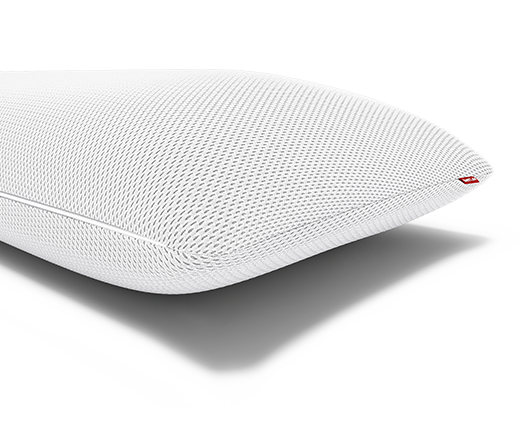
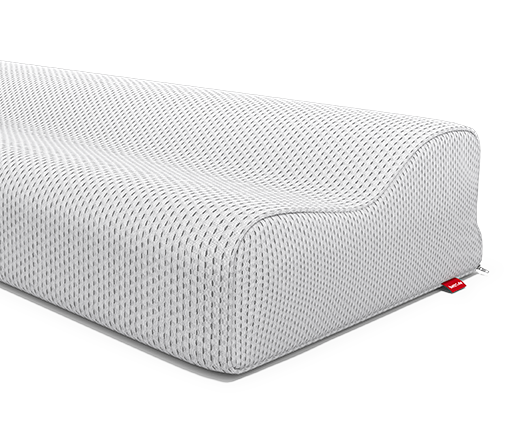
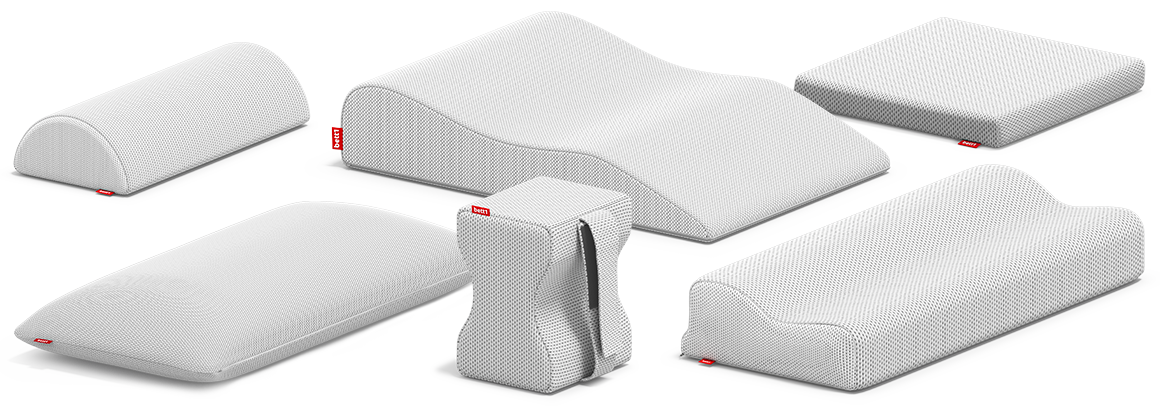
Your pillow needs to work in harmony with your mattress to provide optimal support for your head and spine whilst you sleep. If your neck bends awkwardly whilst you sleep, you’ll wake up feeling stiff.
What pillow sizes are available?
The traditional size for pillows in Germany is 80×80 cm. However, narrower 40×80 cm pillows are now becoming increasingly popular for head support. They ensure that your shoulders rest on the mattress and only your head is on the pillow. Another advantage is that you have less trouble with a jumble of pillows at night.
Ideally, your back and cervical spine should form a straight line when sleeping on your side. When sleeping on your back, your head should neither be bent nor overextended. Your pillow should therefore ideally be neither too hard nor too high. You can determine the ideal pillow and the optimal pillow height for you by measuring the width of your shoulders and neck. Some pillows are also height-adjustable.
Mattress toppers – the perfect addition to your bedding
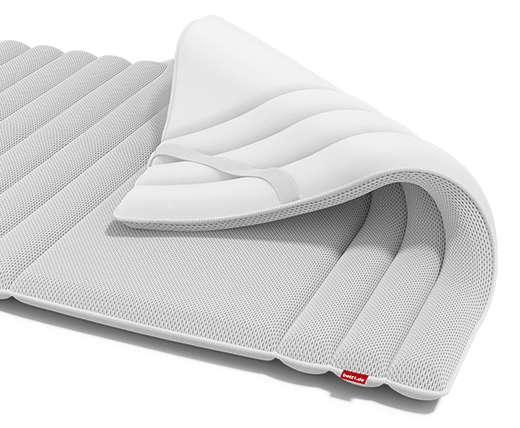
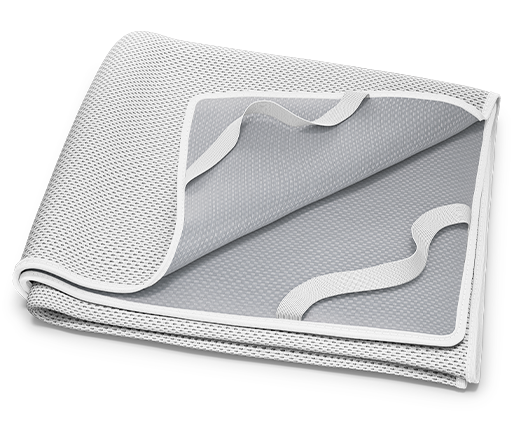
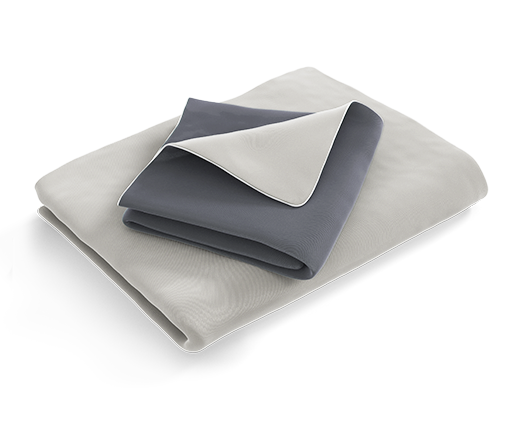
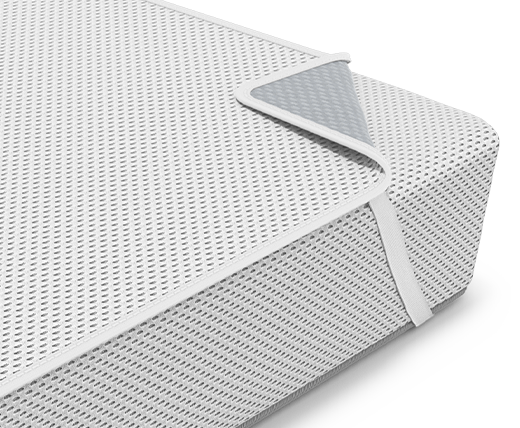
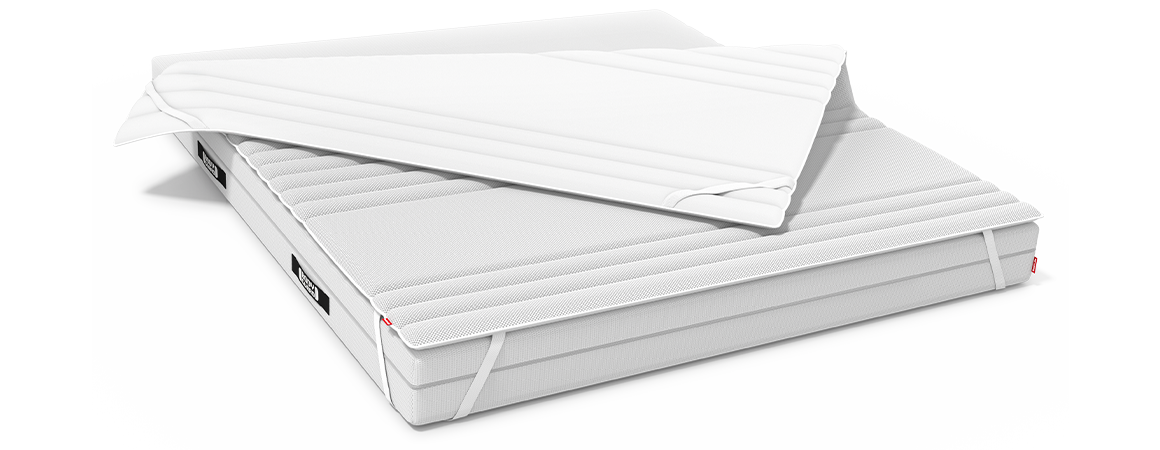
Mattress toppers are a special type of bedding that have become increasingly popular in bedrooms, particularly since the rise of box spring beds. You place the topper on top of your mattress, which means you sleep both higher up and on a softer surface. Incidentally, the topper also acts as a protective layer for your mattress, making it harder for dirt to penetrate. As the topper is much thinner than a mattress, some models are even washable – provided they fit in the washing machine.
The real bonus is the topper in a double bed: if you use two mattresses with different firmness levels on each side of the bed, the topper can join the two individual sides into a continuous sleeping surface.
Bedding Fillings
The filling of bedding is crucial to its quality. Whether it’s a pillow, mattress, topper or duvet: every filling serves a different purpose or benefit. With mattresses, the core of the bedding gives it its name. You can thus broadly distinguish between spring mattresses, foam mattresses and latex mattresses. Although toppers are often constructed similarly to mattresses, they are far thinner. Fillings such as metal springs, air or water are rarely found here.
Pillow fillings can be broadly divided into three categories: animal-based fillings, plant-based fillings and synthetic fillings. Animal-based fillings such as hair or feathers are rather outdated, both ethically and functionally. The function that wool or down performed on the animal’s body – namely to keep the animal warm and provide cushioning – is rather limited in a pillow. Synthetic fillings, as well as plants that can be bred and processed for specific functions, offer enormous advantages here in terms of additional properties such as support or sweat absorption and release.
The fillings in duvets are often similar to those in pillows. Only foam blocks, which make sense in pillows to help them retain their shape, are not used in duvets for obvious reasons.
Important: When choosing fillings or covers for your bedding, make sure that at least one of them is washable in some way. A washing temperature of 60 °C is a good guideline for ensuring hygienic cleanliness


